
SONATYPE SOLUTIONS
Automate SBOM Management For Audit Readiness
Sonatype Guide automates AIBOM and SBOM management so teams can govern open source and AI risk, meet compliance requirements, and stay audit ready.
Meet Regulatory Deadlines Faster with SBOM Automation
SBOMs and AIBOMs have become a cornerstone of modern software security. As regulatory pressure intensifies, we estimate nearly 90% of organizations worldwide are expected to face regulatory requirements for effective SBOM management and software assurance. Sonatype Guide is a powerful AIBOM and SBOM automation solution that simplifies regulatory compliance and increases transparency.
Know What’s Inside Every Release. Prove It with SBOM Management.
Comprehensive SBOM Management
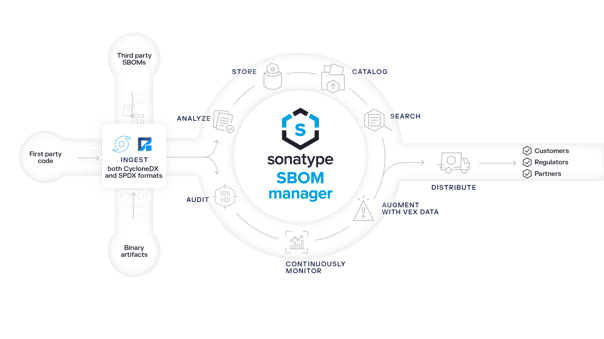
Ingest, validate, store, and manage SBOMs in both SPDX and CycloneDX formats, alongside AIBOM data for AI development. Create a centralized system of record for internally built software, third-party software, and AI-enabled applications.
Continuous Risk Monitoring
Continuously monitor software inventories for new vulnerabilities, malware, license risk, and policy violations. Sonatype Guide connects AIBOM and SBOM data to trusted intelligence and Vulnerability Exploitability Exchange (VEX) data, helping teams identify what has changed and what needs action.
Adhere to Global Regulations
Maintain version history, policy evidence, and validated inventory data to support software assurance, supplier reviews, and evolving compliance requirements. With a unified system of record, teams can efficiently reduce operational risk and adhere to compliance requirements.
Increase Transparency and Trust
Maintain a clear record of the components and AI assets in your applications. With advanced automation, Sonatype Guide streamlines management of every AIBOM and SBOM, enabling organizations to respond quickly to security threats and increase transparency across the SDLC.
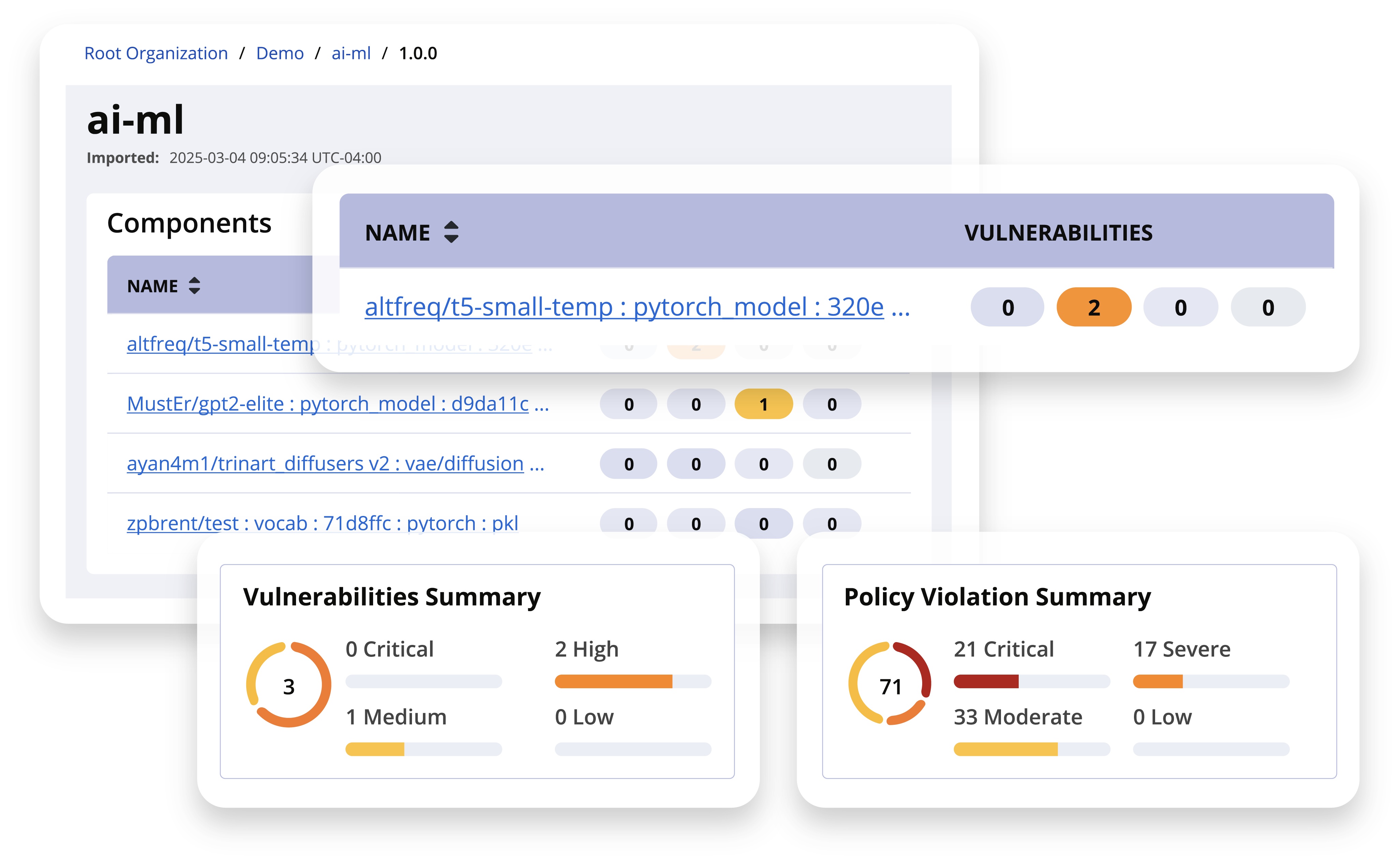
SBOM Management:
The Secret Weapon for Compliance
Sonatype’s AIBOM and SBOM management tools deliver deep open source intelligence and real-time automation, providing teams with unmatched visibility and control to build secure, transparent software at scale.
Benefits of a Comprehensive AIBOM and SBOM Management Tool
Sonatype Guide ensures requirements are met by delivering full visibility into software components, automating risk management, and strengthening supply chain security — all in one streamlined SBOM management tool.
Regulatory Compliance
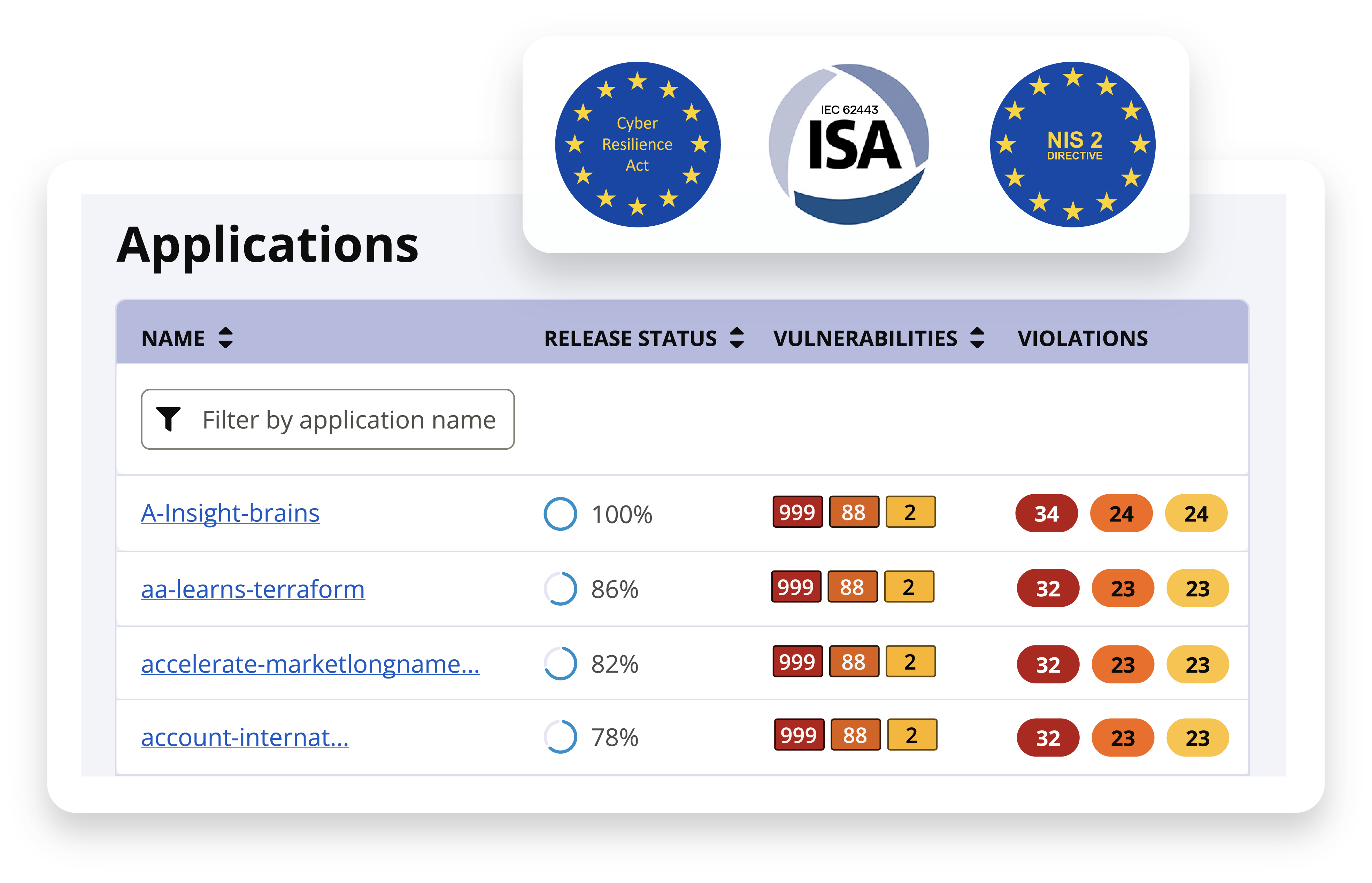
Meet evolving regulatory requirements and simplify audits with powerful SBOM automation that drives efficiency.
Transparency
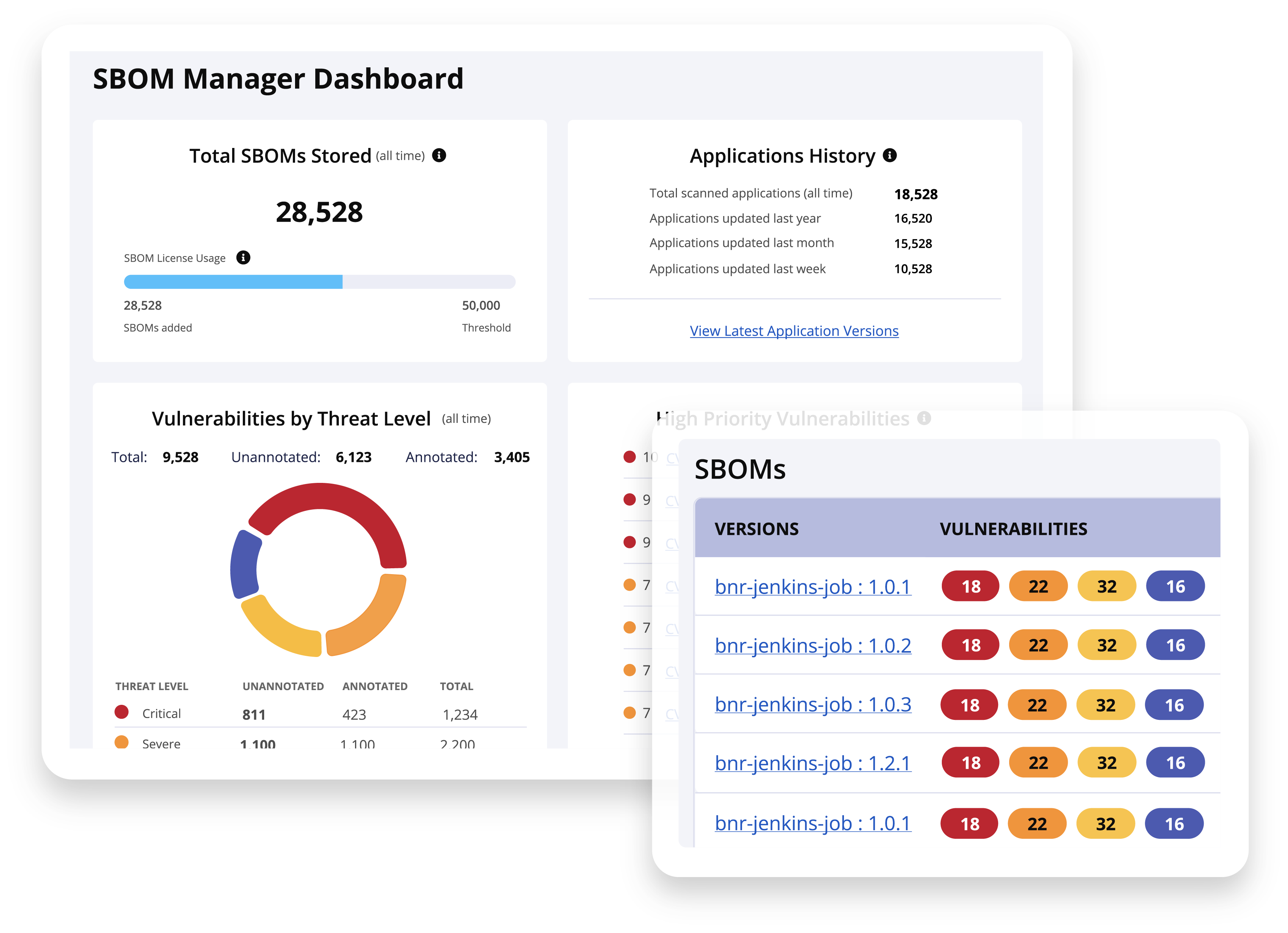
Gain visibility into every component and dependency for faster, informed decision-making and threat response.
Proactive Monitoring
Continuously monitor for vulnerabilities and fix compromised components before they can be exploited.
Vulnerability Management
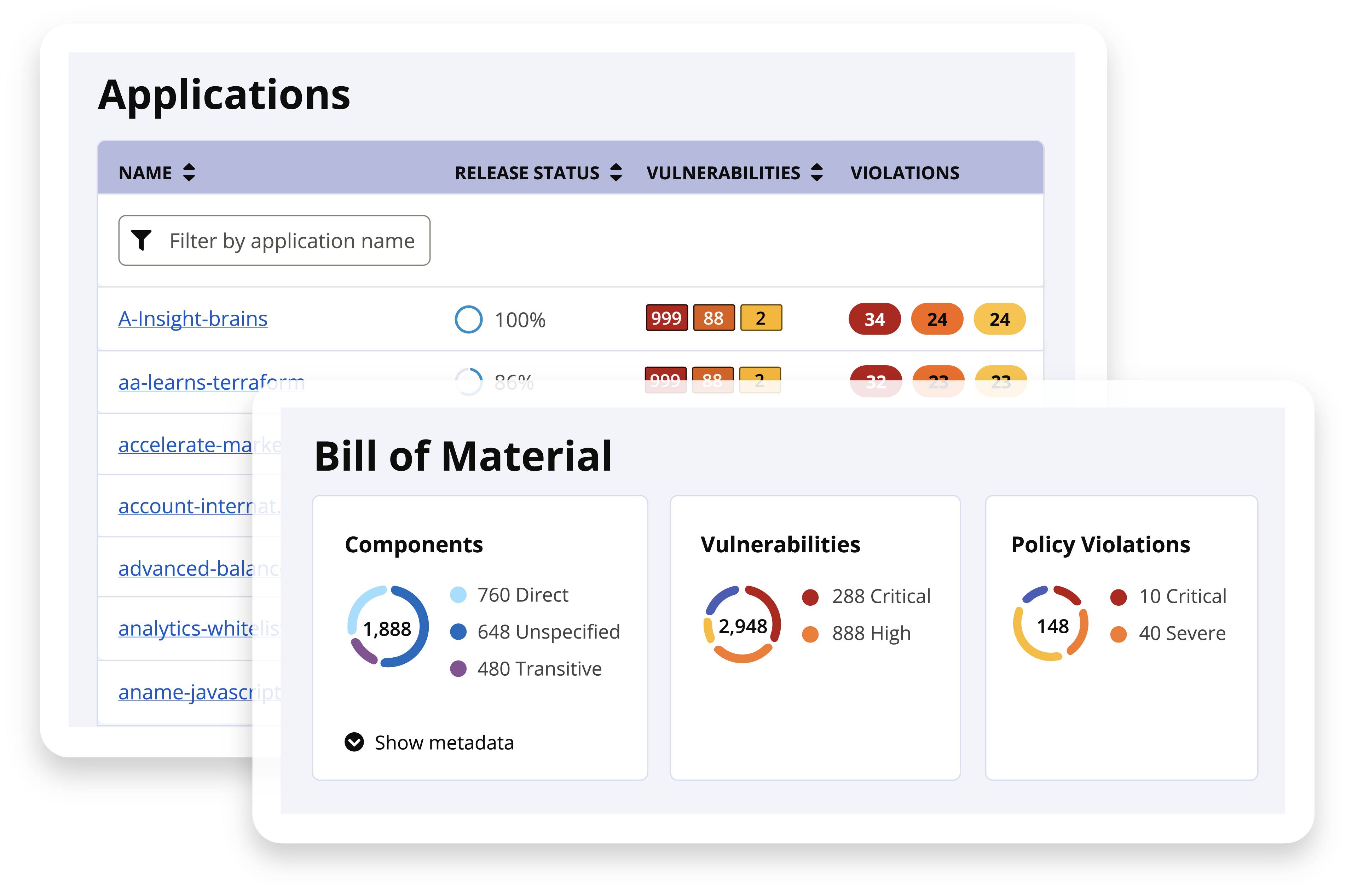
Quickly identify vulnerable components and track usage across applications to reduce risk and minimize exposure.
Enhanced SCA
Integrating SBOMs with SCA enables more intelligent risk assessments with actionable insights for remediation.
License Usage
Empower teams with integrated legal obligation management, insights into OSS license risks, and automated workflows.

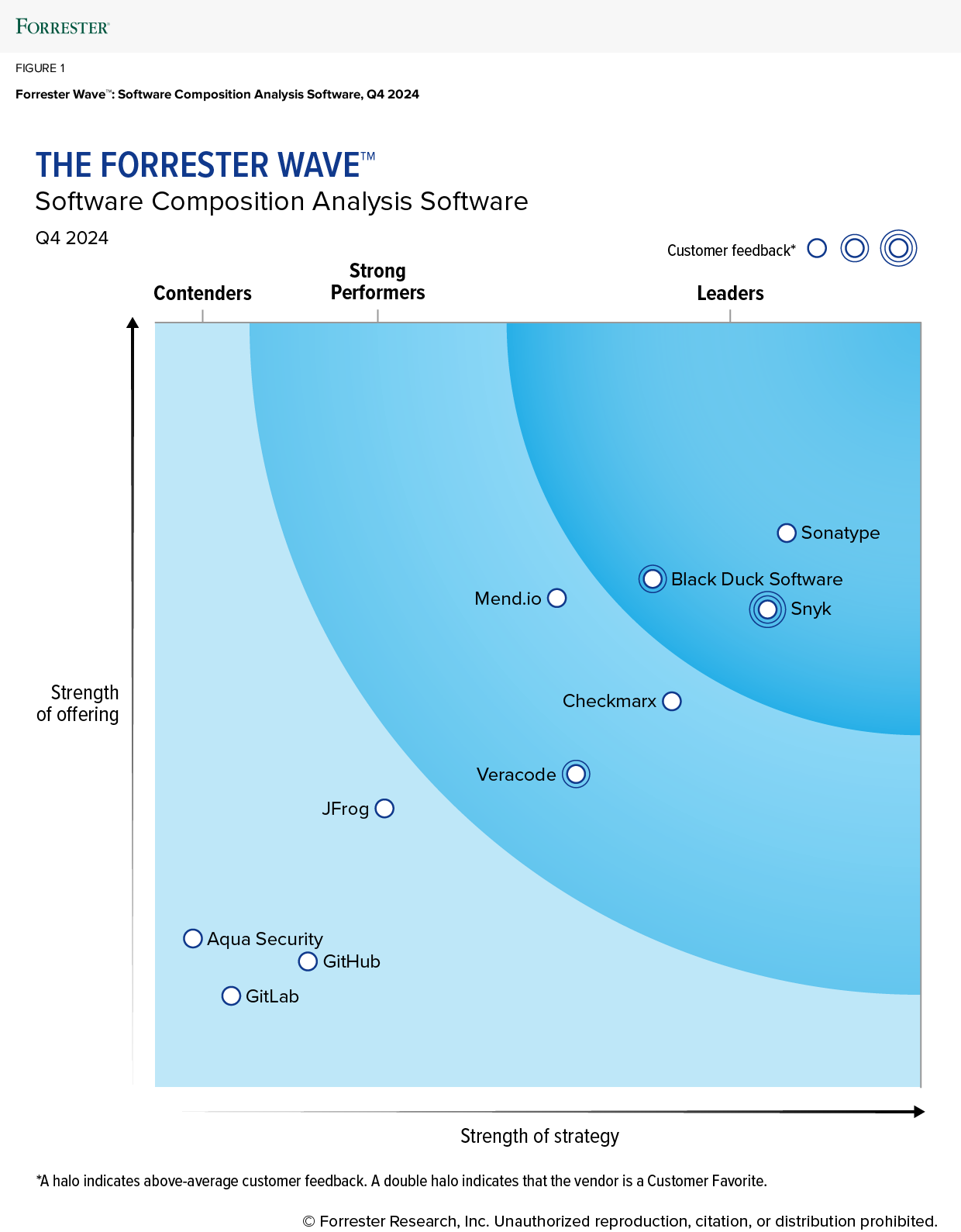
Sonatype Named a Leader in Forrester Wave for SCA Software
Forrester evaluated 10 top SCA providers and named Sonatype a leader with the highest possible scores in the Forrester WaveTM: SCA Software 2024 for the following criteria: ingestion, analysis, generation, export, and sharing of SBOMs.
Explore SBOM Management Insights
The Ultimate SBOM Guide
Using SBOMs to Power SCAs
Frequently Asked Questions
What is SBOM management?
SBOM management is the process of generating, maintaining, and analyzing a comprehensive list of components in a software application. Effective SBOM management ensures organizations gain visibility into open source dependencies, identify vulnerabilities, and maintain software supply chain integrity throughout the development lifecycle.
What are the key components of an SBOM?
An SBOM includes elements like supplier name, component name, version, dependencies, SBOM author, and a timestamp. These elements provide a comprehensive inventory of a software's structure. Sonatype Guide follows the SPDX and CycloneDX standards to ensure interoperability, consistency, and trust in how SBOMs are shared.
How does SBOM management improve the software supply chain?
Strong SBOM management increases software supply chain security by providing a blueprint for organizations to identify vulnerabilities, track dependencies, and ensure compliance with security standards. This visibility empowers teams to proactively address risks, such as outdated libraries or malicious code, before they can be exploited. Furthermore, SBOM management promotes accountability and builds trust among developers, vendors, and customers. When paired with SBOM automation, organizations can not only strengthen their defenses but also drive innovation through informed decision-making and resilient practices.
Sonatype Guide provides organizations the visibility, compliance, and risk mitigation necessary to build and deliver software confidently, without compromising security or compliance efforts. With SBOM Manager, you can:
- Share SBOMs at scale with automated VEX information to keep everything up-to-date.
- Audit third-party security and ensure compliance with organizational policies.
- Ensure secure, accurate, and consistent software distribution.
- Bridge the gap between development, security, and operations with real-time data.
- Seamlessly embed SBOM generation into development pipelines.
- Quickly locate impacted components in breach situations.
How can SBOM management help with compliance?
SBOM management supports compliance by operationalizing software assurance across your development and supply chain. Effective SBOM management ensures all major releases automatically produce SBOMs, aligned to standards such as SPDX and CycloneDX. It also helps organizations validate that software vendors and suppliers have attested to secure development practices, meeting growing third-party risk requirements. By continuously tracking components, SBOM management tools can help confirm that all major components use approved licenses, reducing legal and regulatory exposure. Where other SBOM tools stop at generation, Sonatype Guide simplifies adherence to global AIBOM and SBOM requirements such as NIST SSDF, Executive Order 14028, DORA, NIS2, and the Australian ISM.
How can SBOM management software integrate with existing development workflows?
Sonatype Guide works seamlessly with solutions like Nexus Repository, and allows for DevOps pipeline integration using APIs. This ensures streamlined SBOM creation and management within your workflows. Additionally, Guide offers customizable reporting and tracking options to fit your specific development processes.
Can SBOM management tools automate the tracking of software dependencies?
Yes, SBOM management software solutions like Sonatype Guide can automate the tracking of software dependencies. They integrate into your development pipeline using APIs to continuously identify, inventory, and update all components, including direct and transitive dependencies, ensuring real-time visibility and reducing the risk of overlooked vulnerabilities or outdated components.
How does SBOM management support open source risk assessments?
SBOM management provides a detailed inventory of all software components, including open source libraries so that organizations can identify known vulnerabilities, license risks, and outdated components. This visibility allows for proactive risk mitigation and improved security posture throughout the software supply chain. Sonatype Guide streamlines this process with powerful SBOM automation for ingestion, analysis, and policy enforcement at scale.
How does SBOM automation improve supply chain security?
SBOM automation keeps software inventories current as applications, dependencies, and releases change. It reduces manual tracking, identifies affected applications faster, and enables continuous monitoring for newly disclosed vulnerabilities, malicious components, and policy violations. This makes supply chain risk easier to detect, prioritize, and mitigate.
What are the federal requirements for SBOM implementation?
U.S. federal software supply chain requirements increasingly expect vendors to provide trustworthy software transparency and secure development evidence. Executive Order 14028 and related guidance have accelerated SBOM adoption, particularly for software sold to the federal government. Organizations should confirm the specific requirements that apply to their contracts, products, and agencies.
What are the key standards and formats for SBOMs?
SPDX and CycloneDX are the most widely used SBOM formats. SPDX is an ISO standard designed for sharing software and license information, while CycloneDX is commonly used in software supply chain security workflows. A strong SBOM security tool should support both formats and validate the quality of the data received.
What should I look for in the best SBOM software?
The best SBOM software should support standard formats such as SPDX and CycloneDX; validate SBOM quality; automate ongoing risk monitoring; integrate with development workflows; and connect inventory data to remediation and policy decisions. For AI development, it should also support AIBOM governance.
Automate SBOM Management