
SONATYPE SOLUTIONS
Fuel Innovation with InnerSource
Unlock the full potential of InnerSource development while ensuring internal compliance, enhancing efficiency, and maintaining full control over your software supply chain.
Let Developers Run at Full Speed
Sonatype helps developers embrace InnerSource by making it simple to share, reuse, and improve code across teams. Our platform gives engineers the visibility and tools they need to collaborate openly while still ensuring security and quality. By removing barriers to contribution and encouraging knowledge exchange, Sonatype empowers developers to innovate faster and build better software together.
Manage InnerSource with Confidence
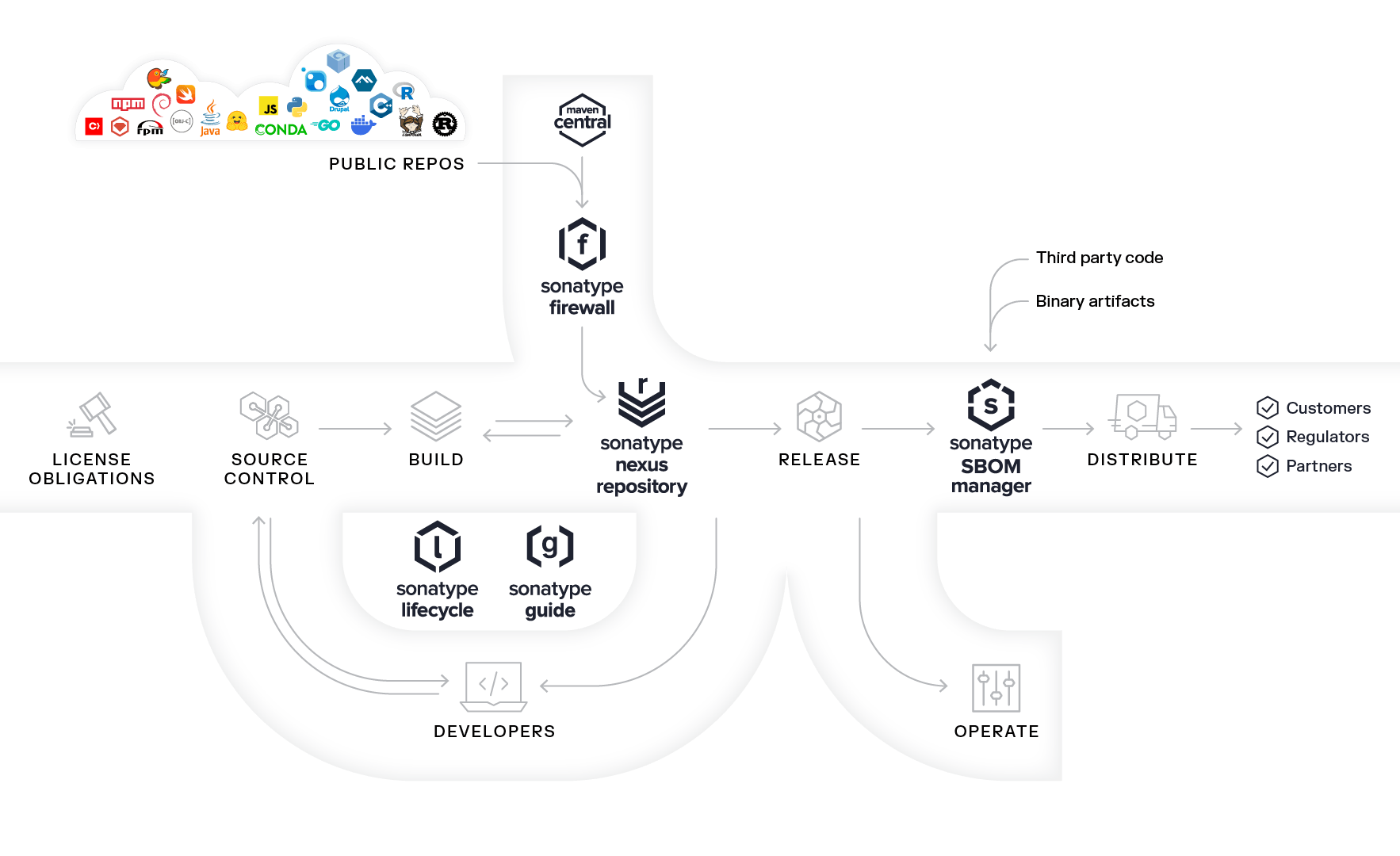
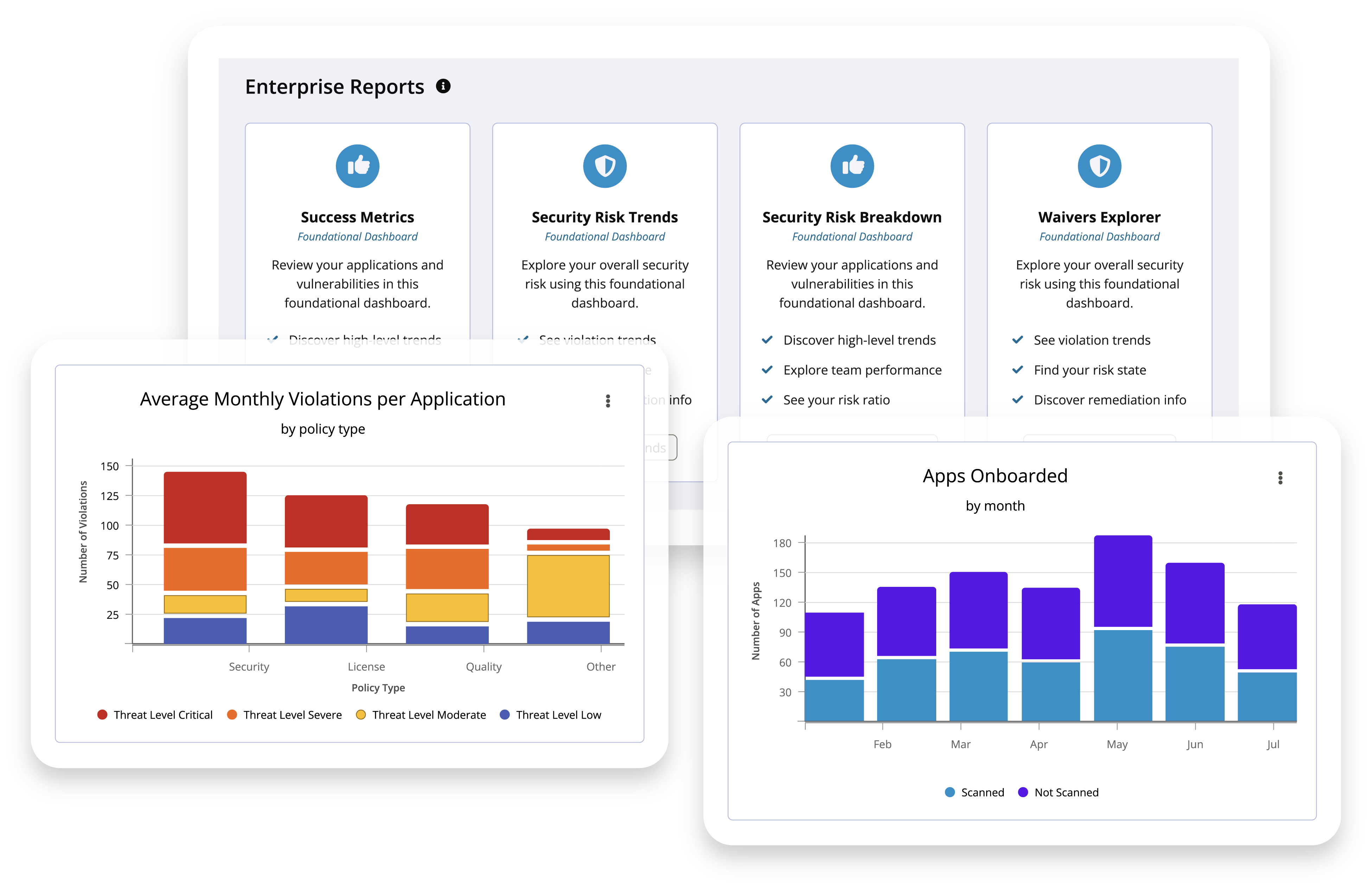
Empower developers with full visibility into InnerSource components. The Sonatype platform offers the same transparency as you would expect with open source components to deliver transparency, governance, and control throughout the SDLC.
Govern Internally Built Components
Sonatype Lifecycle helps organizations manage their internally developed components with InnerSource Insight. This powerful feature reviews and analyzes InnerSource dependencies within projects, making it easier for developers and security teams to spot and address potential risks. Since InnerSource components are often built using open source, Sonatype Lifecycle identifies connections between open source dependencies and proprietary software to reduce redundant policy violations, saving both time and effort.
Manage Dependencies and Policies
Sonatype Nexus Repository allows teams to easily manage InnerSource when integrated with Sonatype Lifecycle. Get full visibility into InnerSource components — including who produced them, available versions, and how they are consumed across your organization. For each dependency, users can see the number of policy violations found in all transitive dependencies. With the Version Explorer graph, users can visualize available versions of components, aiding in remediation efforts by linking components to their producers and highlighting transitive dependencies.
Generate Detailed SBOMs
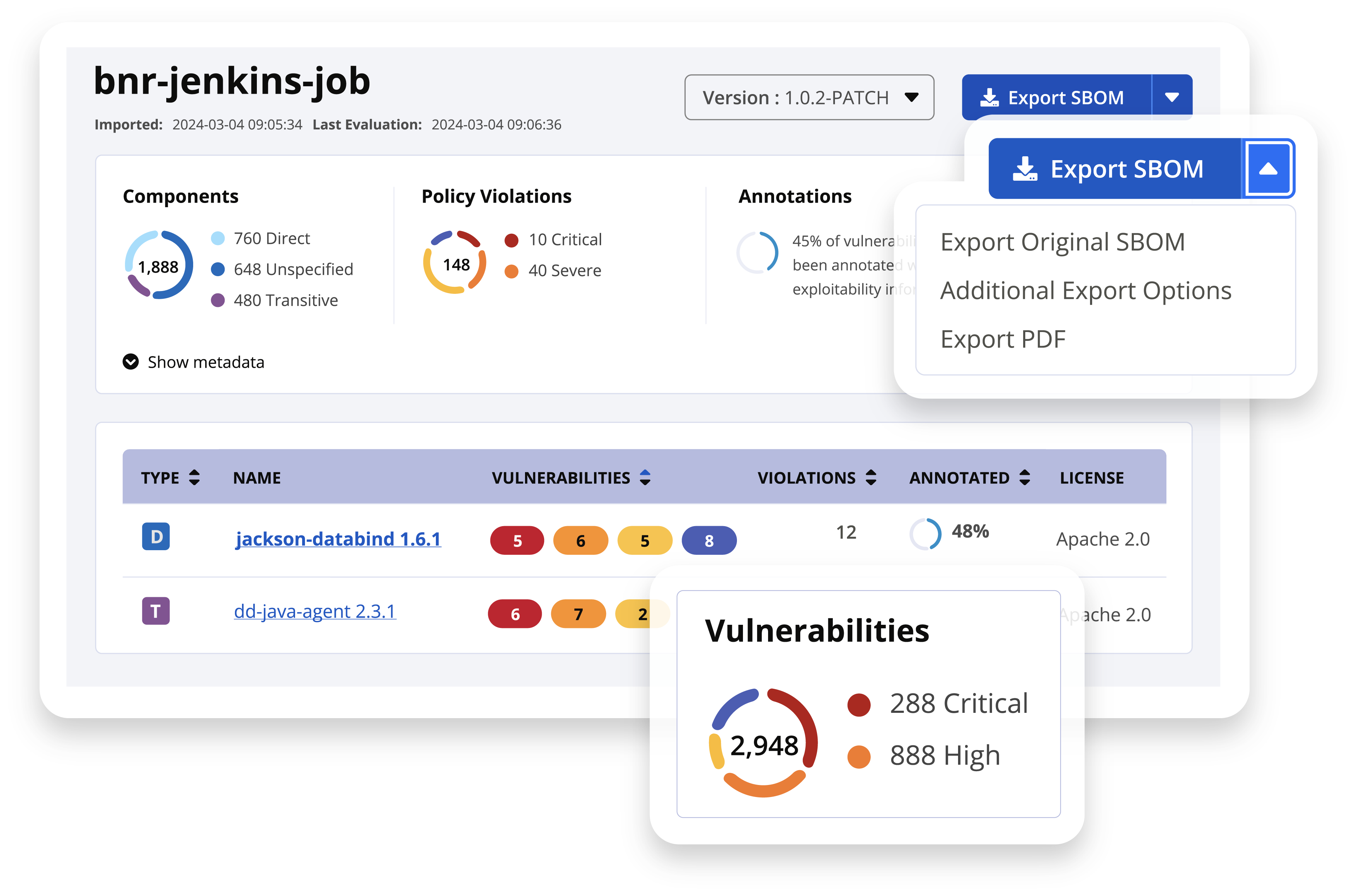
Know exactly what is in your code with Sonatype SBOM Manager. Get insights into InnerSource components and usage via SBOM dependency graphs, leveraging Sonatype Lifecycle’s Insight feature. It generates detailed SBOMs for InnerSource components, ensuring insights into both direct and transitive dependencies. With increased visibility into dependencies, your team can identify risks early and ensure compliance with regulatory requirements.
Drive Results with Proven Solutions
Break Down Silos, Build Better Software
InnerSourcing helps create high-quality, efficient, and well-documented software tailored to organizational needs. Sonatype can help you break down silos and realize all the benefits of InnerSourcing.
Improve Collaboration
Foster collaboration by promoting shared code, communication, and cross-team knowledge exchange.
Eliminate Duplication
Promote code reuse through shared libraries, reducing duplication, and encouraging modular development.
Accelerate Release Velocity
Similar to how open source speeds up development, InnerSource can help reduce your workload and help you build software faster.
Why Organizations Trust Sonatype
“Sonatype specializes in streamlining component-based development, so the quality is much higher than any other solution we evaluated and far better than manual effort.”
Monika Liikamaa
Director, Crosskey Card Solutions

“Everybody loves the immediate visibility it provides them with regard to security and compliance or their component choices. They also love the immediate guidance it provides to alternative component versions when an initial choice is found to be out of compliance.”
Derek Evans
Director of DevOps
“Without the toolsets, including Sonatype Lifecycle and CI pipelines, we would never have been able to improve the software quality.”
Stefan Simenon
Head of Centre of Expertise Software Development & Tooling
Explore InnerSource Best Practices
Frequently Asked Questions
What is InnerSource software development?
InnerSource is the practice of applying open source methodologies to software libraries developed within an organization. Teams are able to reuse code and contribute to internally developed components and AI models, enabling increased productivity and collaboration across the organization.
What is the difference between open source and InnerSource?
Open source refers to publicly available software with source code that anyone can inspect, modify, and distribute. It encourages collaboration across organizational and geographical boundaries, enabling global innovation.
InnerSource, on the other hand, applies open source principles within a single organization. While the code is not shared publicly, it is made accessible across internal teams. This approach breaks down silos, promotes reuse, and encourages collaboration among internal developers.
Sonatype supports organizations in managing both open source and InnerSource software through its Insight capabilities, which bring transparency, traceability, and governance to internally shared components.
How can InnerSource improve internal software development?
InnerSource can significantly improve internal software development through code reuse instead of reinventing the wheel — to allow for faster innovation. By promoting open collaboration and reuse, InnerSourcing also drives the adoption of better development practices, such as consistent documentation and rigorous code review.
Sonatype’s Insight capabilities enable organizations to maximize these benefits by providing deep visibility into the internal software supply chain, tracking component usage, and ensuring alignment with corporate policies — all of which contribute to faster, more secure development workflows.
What are the core principals of InnerSource development?
InnerSource development is guided by several core principles that align closely with open source values but are tailored for internal application. One of the foundational principles is transparency: code, discussions, and decisions should be open and accessible to all members of the organization. Open Collaboration is another key tenet — any internal team can contribute to a project, regardless of who originally authored it, which promotes collaboration and knowledge sharing across departments. Reusability is also central to InnerSourcing. Components should be designed and documented in a way that makes them easy for other teams to adopt. This not only speeds up development but also improves software quality through increased usage and feedback.
With support from Sonatype tools, organizations can effectively implement and scale these principles by providing tools for discovery, compliance, and lifecycle management of internal software components.
What are the security implications of using InnerSource?
While InnerSource delivers numerous benefits, it also introduces specific security challenges that organizations must proactively manage. Like any project that relies on code reuse, InnerSource can introduce compliance and other hidden risks if code is used without proper security reviews. On average, one InnerSource component is used in over 70 applications, so managing dependencies and identifying risk early must be a priority to avoid data breaches and regulatory non-compliance.
When internal software components are reused without oversight, they can proliferate in ways that are hard to track or maintain. This lack of visibility can lead to teams unknowingly using outdated or vulnerable code — causing code to go stale. Additionally, without clear policies and enforcement mechanisms, organizations may face inconsistencies in how security and licensing requirements are applied across projects.
To address these risks, companies need robust governance and tooling. Sonatype InnerSource Insight is designed to bring the same level of discipline to InnerSource as is typically applied to open source management.
Manage Innersource smarter