SONATYPE GUIDE
Agentic Dependency Management
Guide every decision from AI prompt to production.
Be Confident in Every AI Dependency Decision
Sonatype Guide integrates into every stage of the AI SDLC to help developers and AI agents make better dependency decisions while giving security and compliance teams the visibility and control to govern software with confidence.
Give Agentic AI the Context It's Missing
Supercharge AI-coding tools with real-time, open source intelligence that guides every decision so that your team can build faster, safer, and with more confidence than ever before. Instantly reduce open source risk by eliminating up to 70% of Critical and High vulnerabilities, and achieve 71× lower AI inference costs than leading models.
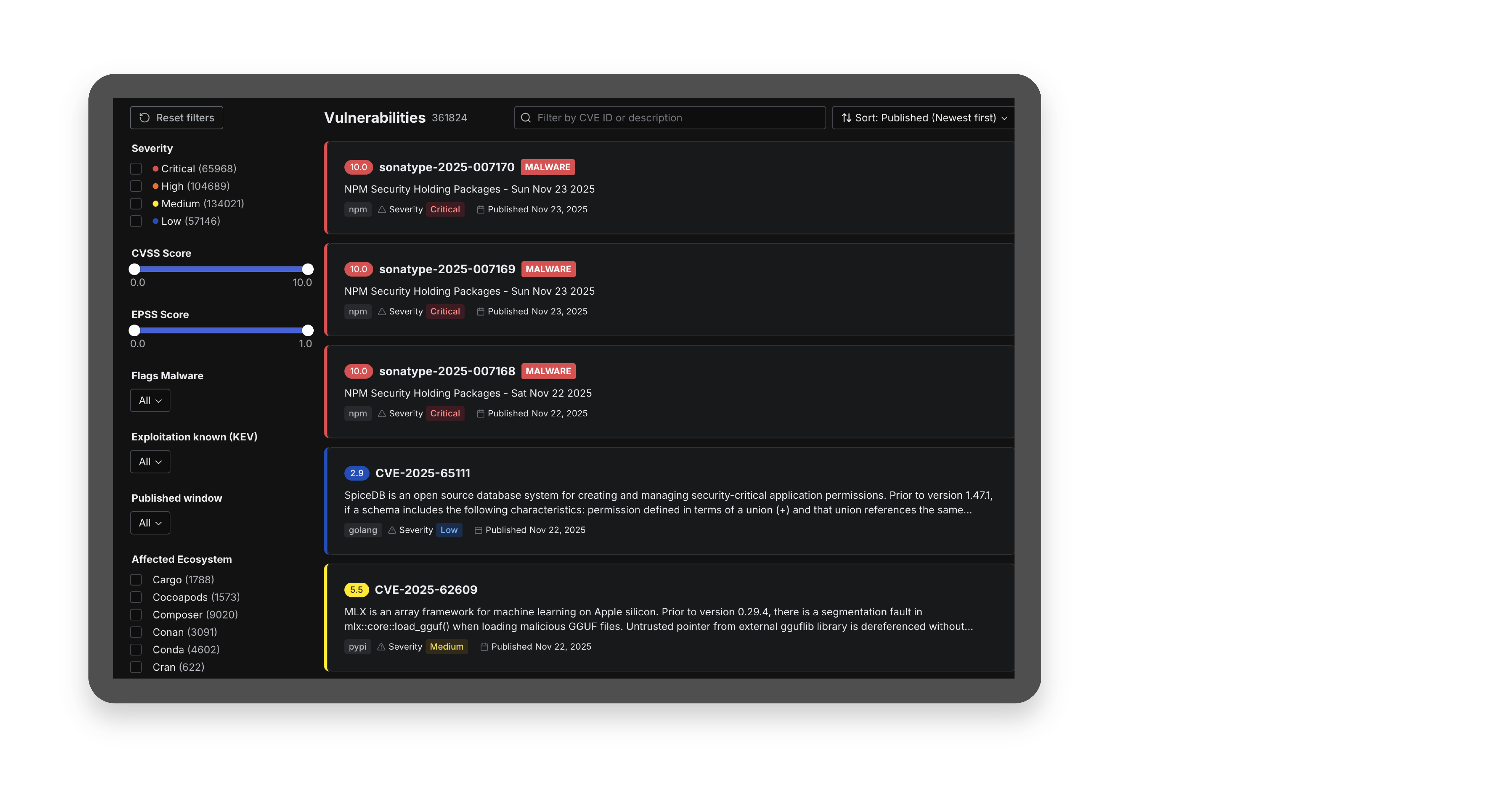
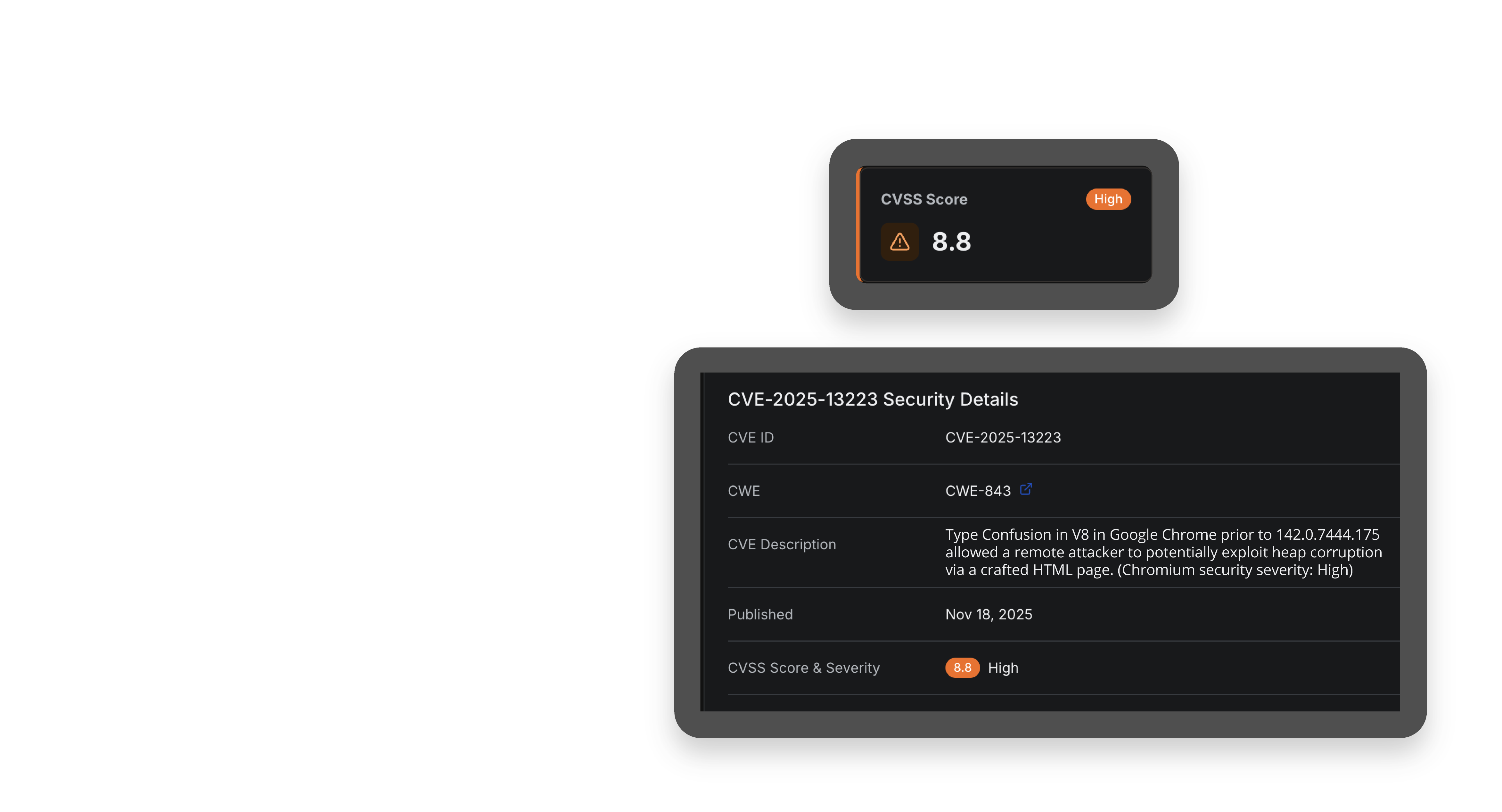
Component & Vulnerability Intelligence
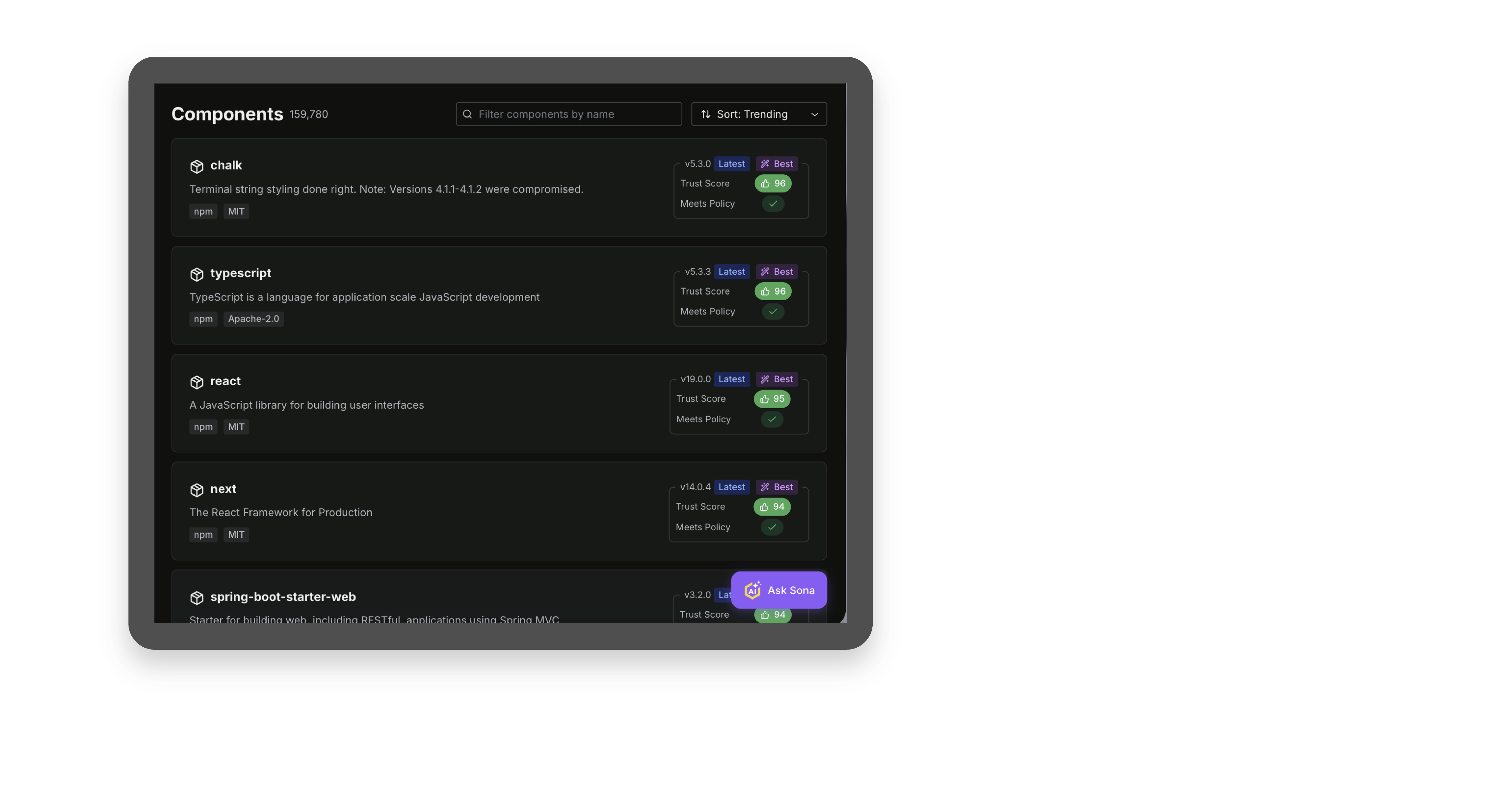
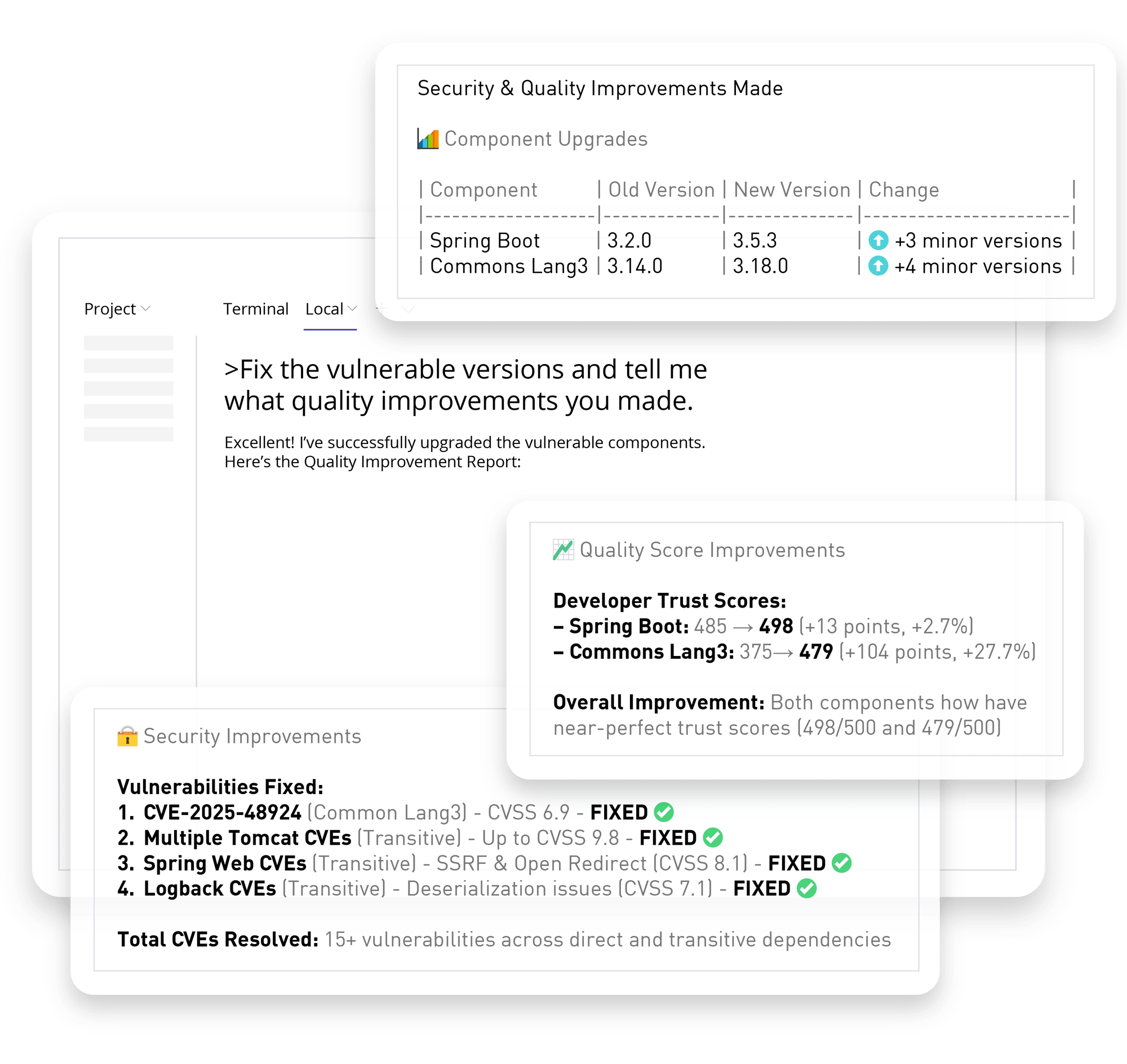
Find and use the healthiest open source components with Sonatype’s real-time intelligence. Cut hours of investigation down to seconds and ensure your AI coding assistant selects secure, well-maintained dependencies that stay up to date.
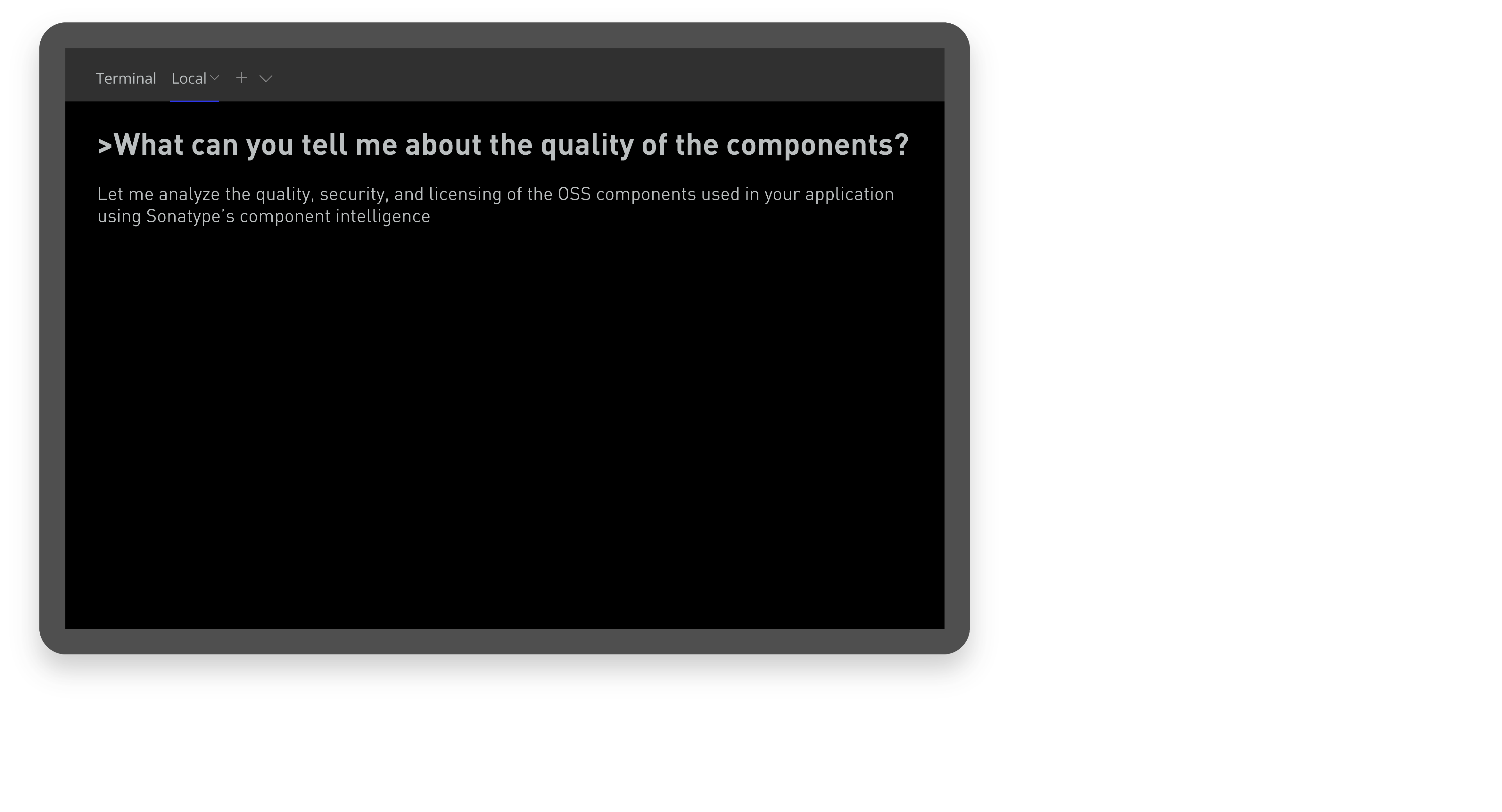
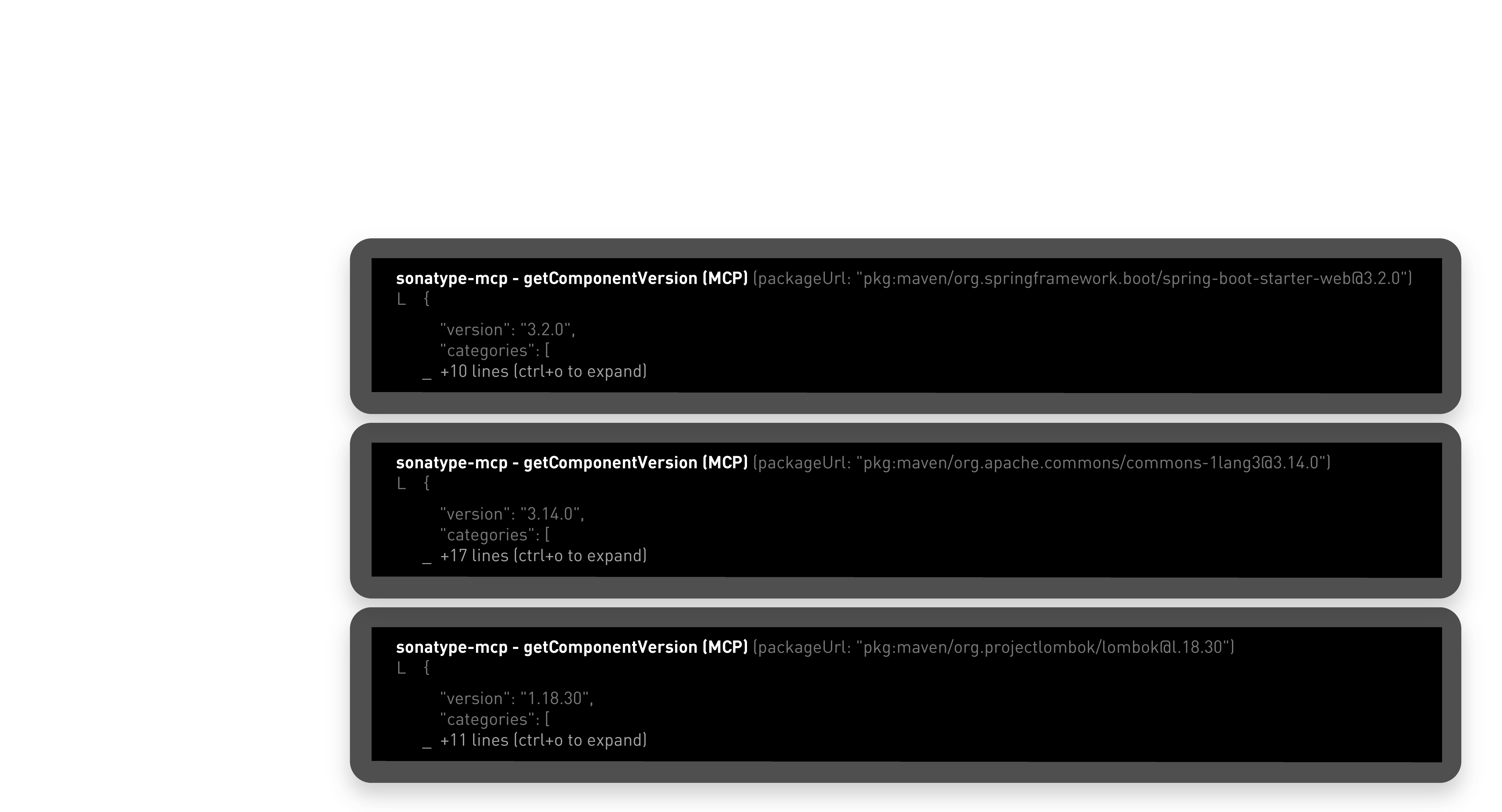
AI Guidance Directly in Your IDE
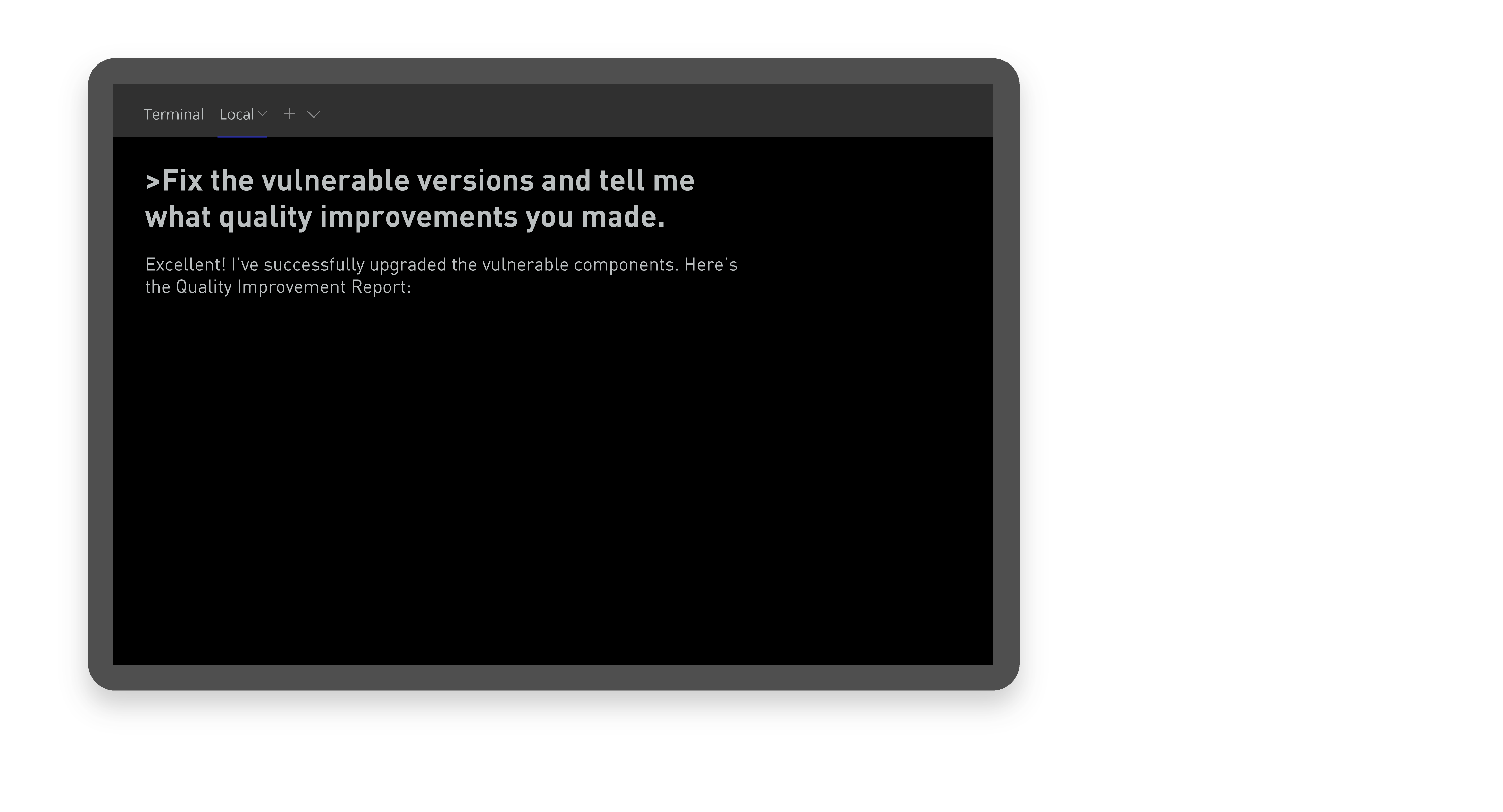
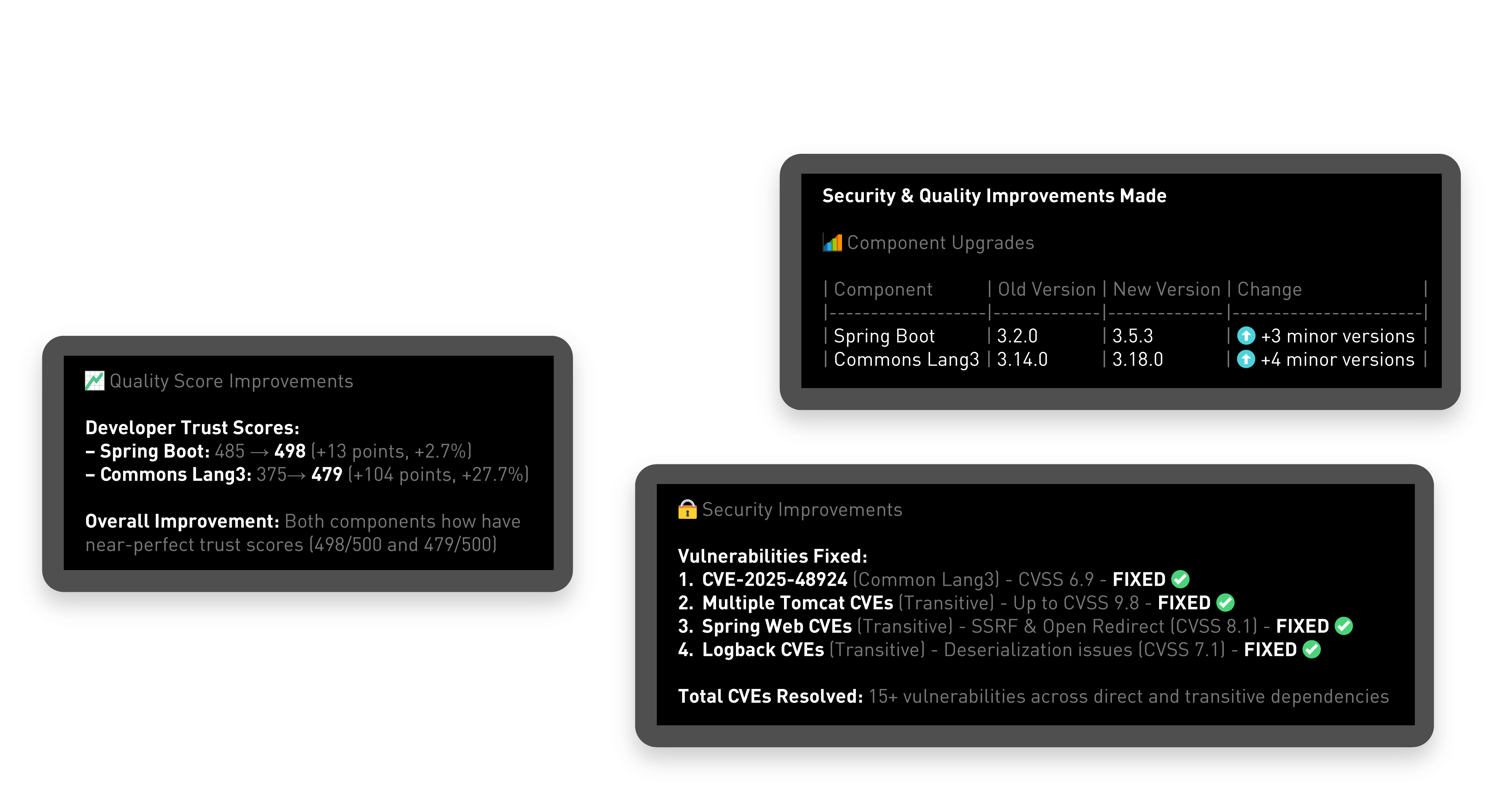
Stop fixing AI’s mistakes. Sonatype’s MCP server connects your AI coding assistant to trusted open source intelligence — so it selects secure, high-quality components from the start and keeps dependencies up to date automatically.
Developer Trust Score
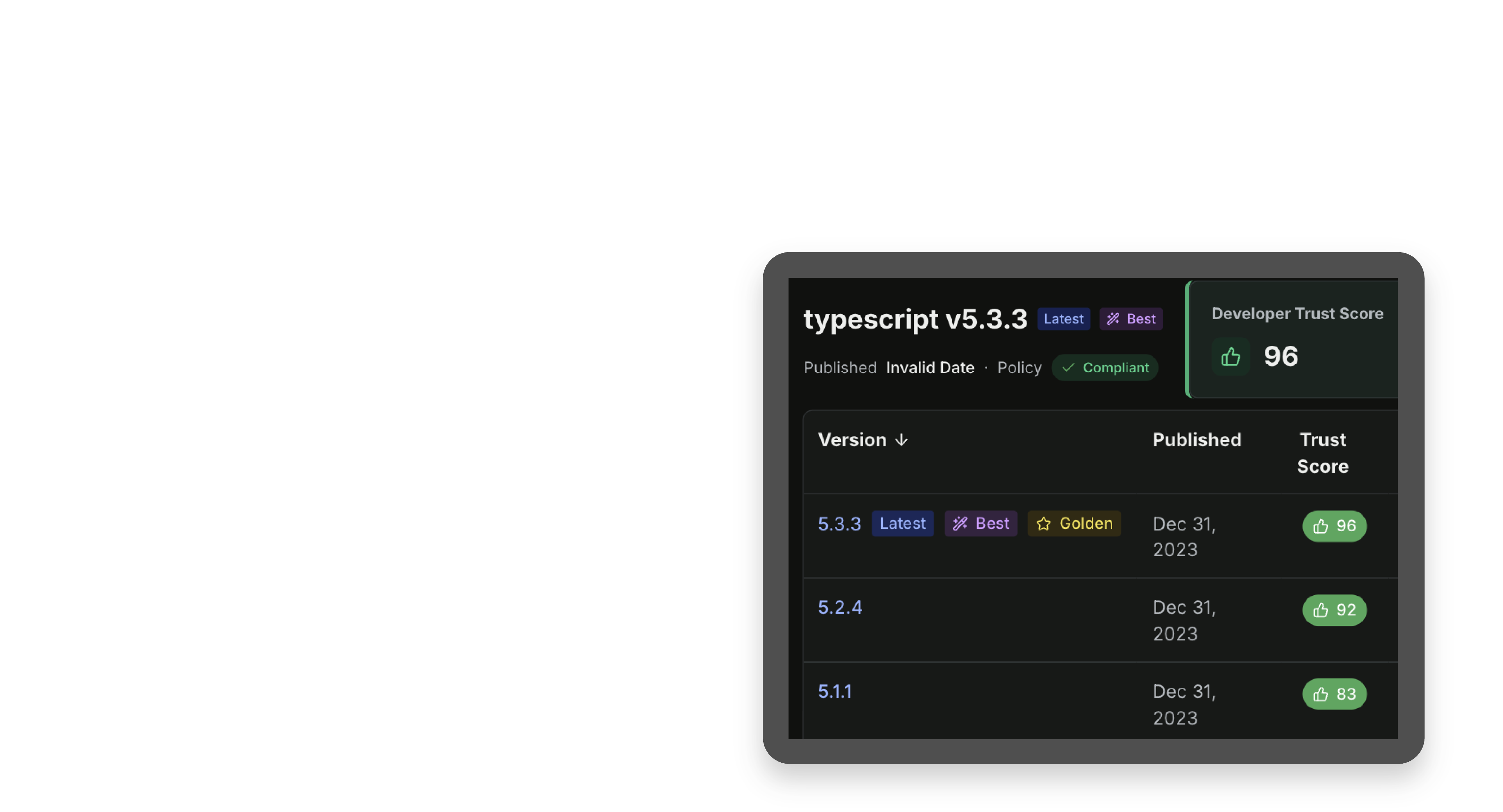
One score delivers instant clarity. The Developer Trust Score combines security, legal compliance, and innovation into a single 0–100 rating. It gives developers a quick, reliable signal of whether they can trust a component — and how much.
Coming Soon!
AI Agent for Dependency Management
Take control of your AI development workflows with smarter dependency management. Guiding AI coding assists with Sonatype’s dependency management MCP server, which ensures every dependency is vetted, maintained, and up-to-date.
Agentic Dependency Management
Develop Faster, Manage Less
Sonatype Guide helps developers and AI agents choose trusted components, automate dependency upgrades, and reduce maintenance so teams can build faster.
- Automate Upgrades
Deliver validated pull requests with no breaking changes. - Reduce Rework
Spend less time fixing AI-generated issues. - Work Where Developers Work
Bring AI SCA directly into IDEs, CI/CD pipelines, and agentic workflows.
Open Source Governance
Govern OSS and AI Without Slowing Development
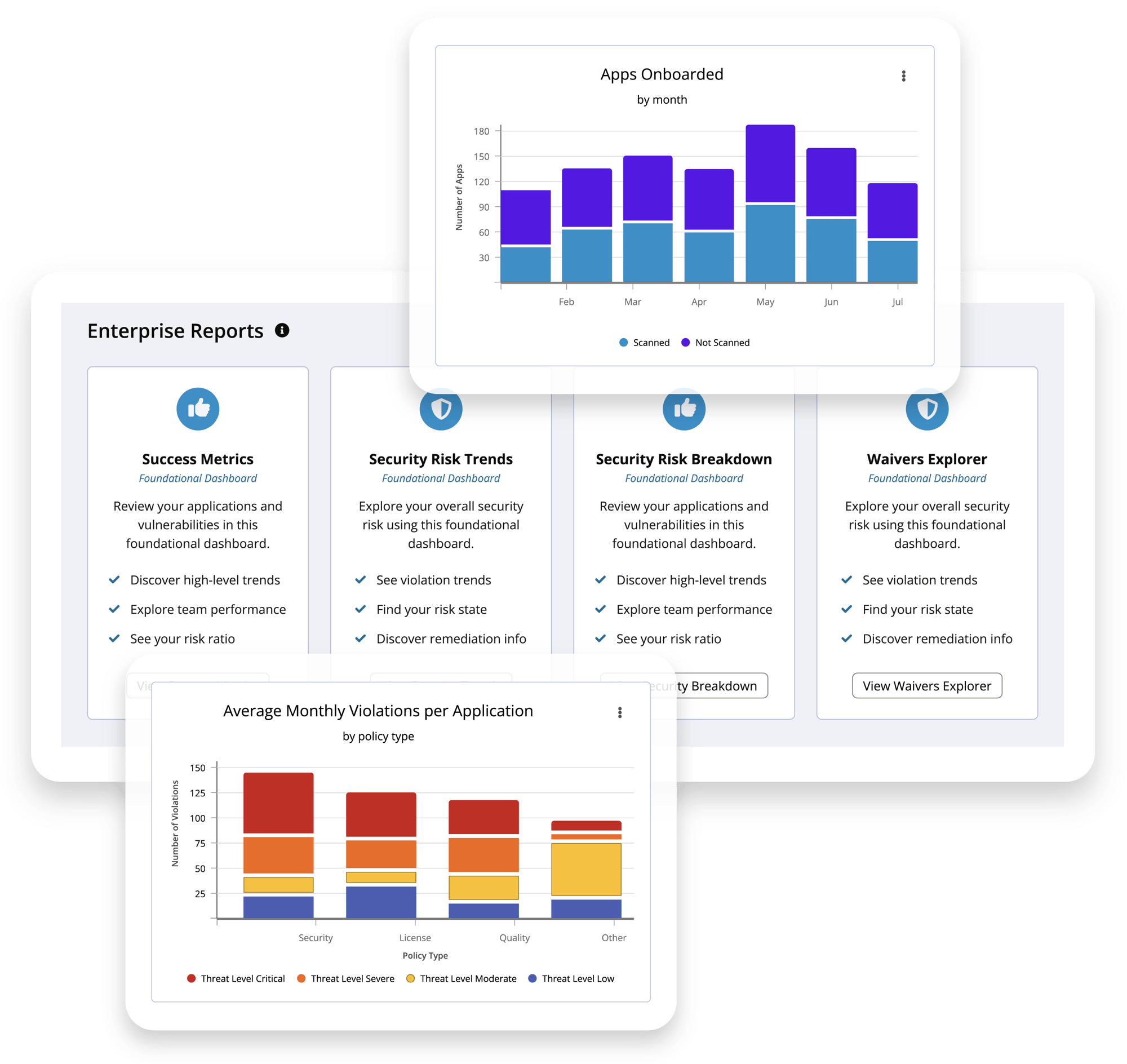
Sonatype Guide gives security teams the power to enforce security policies consistently across every development workflow, prioritize what matters, and continuously monitor open source risk across the AI SDLC.
- Enforce Policies
Apply security, license, and malware policies everywhere developers build. - Prioritize Risk
Focus on exploitable vulnerabilities with reachability and application context. - Enterprise Visibility
Get the insights teams need to govern open source risk.
Software Compliance
Know What’s in Your Software
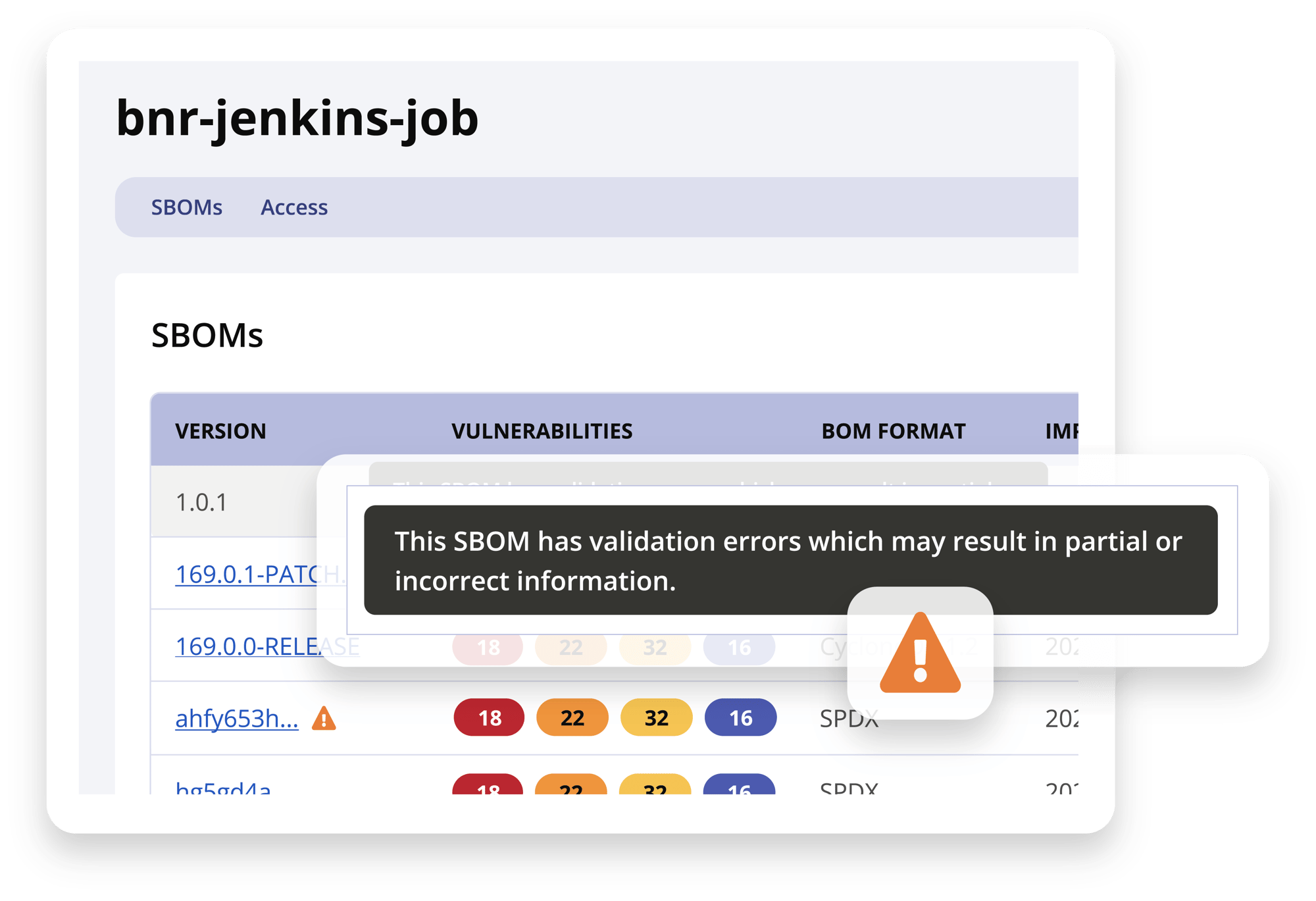
Sonatype Guide streamlines SBOM management, license compliance, and regulatory reporting.
- Manage BOMs
Generate, validate, ingest, and share SBOMs for first- and third-party software and enable AI-BOMs with SPDX 3.0 support for AI transparency. - Simplify Compliance
Streamline license obligation workflows and VEX reporting. - Stay Audit-Ready
Comprehensive dashboards to respond to customers and regulators with confidence.
Give AI Agents Better Context
Connect AI coding assistants to Sonatype's trusted open source intelligence so every dependency recommendation is based on verified data.
![]()
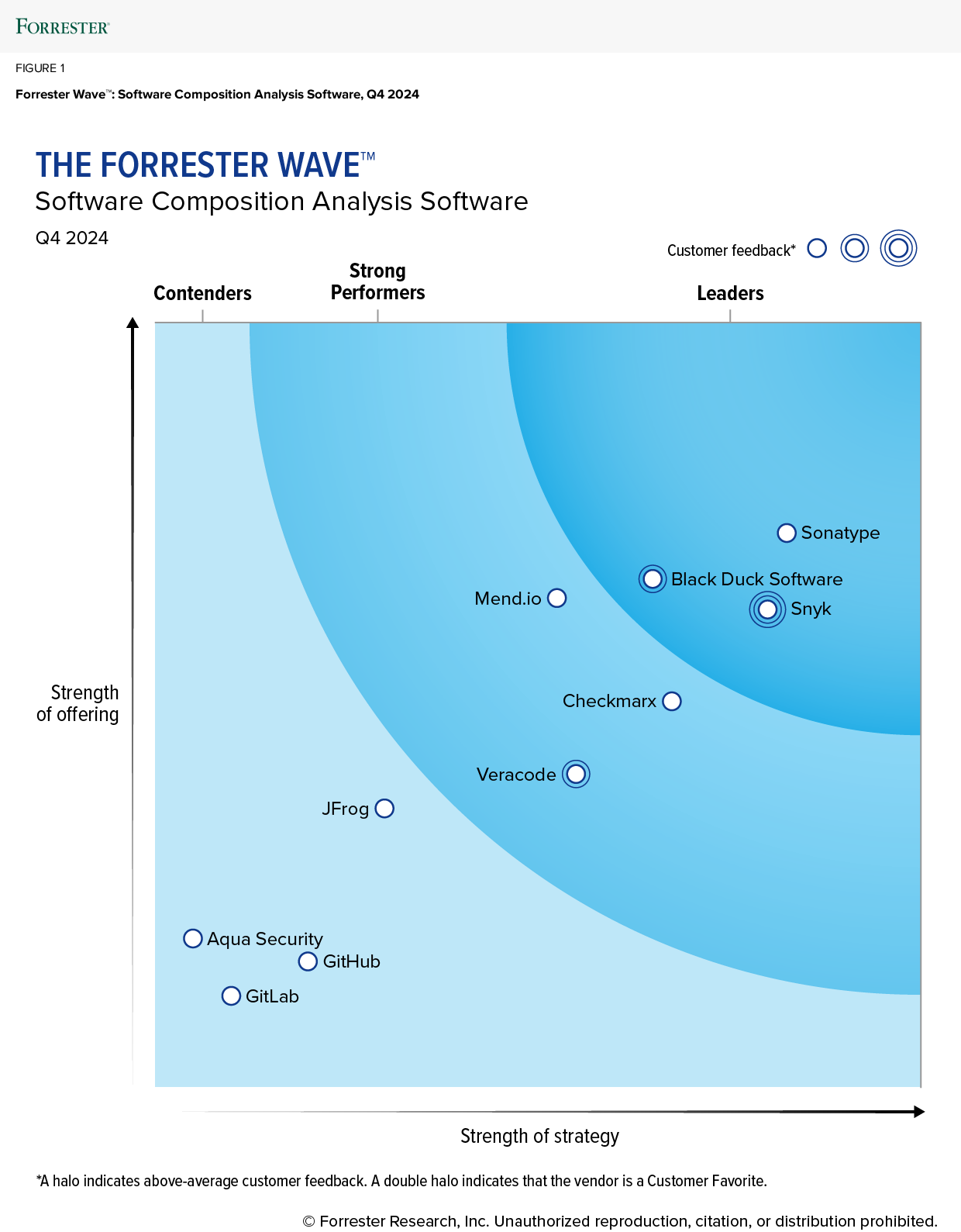
Sonatype Named a Leader in Forrester Wave for SCA and AI Component Analysis
Forrester evaluated 10 top SCA providers and named Sonatype a leader in the Forrester WaveTM: SCA Software 2024 with the highest possible scores in AI component analysis and malicious package detection.
Get to Know Sonatype Guide
Frequently Asked Questions
What is AI SCA?
AI Software Composition Analysis (AI SCA) is software composition analysis built for AI-powered development. Unlike traditional SCA, which identifies open source risk after dependencies have been added to an application, AI SCA guides dependency decisions as developers and AI coding assistants write code. It combines trusted open source intelligence, policy enforcement, automated dependency management, and software transparency to help organizations securely scale development across the AI SDLC. Sonatype Guide is an AI SCA platform that applies these capabilities across the entire software development lifecycle, helping engineering teams build faster with less rework while giving security teams continuous control over open source risk.
Why do developers need AI SCA?
AI coding assistants dramatically increase development speed, but they also increase the number of dependency decisions made every day. AI SCA helps developers choose trusted open source components, automate dependency management, reduce rework, and keep applications secure without slowing development.
Why do AI coding assistants need guardrails?
AI code assistants are powerful accelerators, but without guardrails, they can unintentionally introduce serious risks into your software. These tools generate code based on patterns and predictions, not on verified security or quality standards.
Sonatype Research Labs recently revealed how AI models lack the real-time dependency, vulnerability, compatibility, and enterprise policy context required to make safe remediation decisions. Residual risk falls into three groups. About 60–70% can be removed through safe, non-breaking upgrades to Golden Versions. Roughly 20% require an engineering decision. The remaining ~10% reflects cases with no safe upgrade path.
The takeaway is clear: AI models are good at generating code, but they are not equipped to make dependency decisions on their own. Better software outcomes depend on combining model productivity with the real-time dependency intelligence, security policy, and enterprise context those models lack.
Sonatype Guide gives your AI coding assistants such as GitHub Copilot or Gemini Code Assist the context it needs to build code that requires little maintenance and minimal rework. It connects AI coding assistants to Sonatype’s industry-leading open source intelligence so that every component suggestion and autonomous upgrade is backed by accurate, real-time security and quality data.
How does Sonatype Guide work?
Sonatype Guide is the AI SCA platform for modern development. It connects AI coding assistants, developer tools, and CI/CD pipelines to Sonatype's trusted open source intelligence, helping developers and AI agents choose secure, policy-aligned components from the start. Guide then automates dependency upgrades, governs open source risk, and maintains software transparency across the AI SDLC.
What AI code assistants are supported in Sonatype Guide?
Sonatype Guide works with AI code assistants that implement the Model Context Protocol (MCP), including Gemini Code Assistant, Claude Code, Copilot, Windsurf, IntelliJ with Junie, Kiro, Cursor, and Codex (IDE Plugin & CLI). The Sonatype Guide MCP Server gives AI coding assistants access to trusted open source intelligence during development. Instead of relying on public package metadata or probabilistic recommendations, AI assistants receive verified guidance on secure component versions, vulnerabilities, malicious packages, license risk, and organizational policies. This helps developers and AI agents make better dependency decisions directly from their IDE.
How does Sonatype’s vulnerability intelligence compare to other industry data?
Sonatype delivers the industry’s most comprehensive view of open source risk — combining full component data, secondary expansion data, and expert-curated vulnerability intelligence into a single, unified source of truth. Where others stop at basic CVE records, Sonatype goes deeper to map every component, dependency, and version to uncover hidden transitive risks and secondary impacts missed by traditional data feeds. Our intelligence blends proprietary research, automated machine learning, and human curation to ensure every data point is verified, contextualized, and actionable. The result: complete, precise, and early insight into vulnerabilities empowering developers and AI coding assistants to select the best components from the start.
See Sonatype Guide in Action